Which Rooms to Virtually Stage: The Priority Guide for Real Estate Agents in 2026
Rafi Baig
March 6, 2026 · 14 min read

Which Rooms to Virtually Stage: The Priority Guide
Virtual staging is affordable. But that doesn't mean you should stage every room in a 12-room house without strategy.
Smart agents know which rooms move the needle—and which ones buyers barely glance at.
This guide breaks down exactly which rooms to prioritize, in what order, and how to maximize ROI whether you're staging a starter home or a luxury estate.
Table of Contents
- The Data: Which Rooms Buyers Care About Most
- Tier 1: Must-Stage Rooms (Always Stage These)
- Tier 2: High-Impact Rooms (Stage When Budget Allows)
- Tier 3: Situational Rooms (Stage Strategically)
- Tier 4: Skip These (Usually Not Worth It)
- Room-by-Room Staging Tips
- Staging Strategy by Property Type
- How Many Rooms Should You Stage?
- FAQ
The Data: Which Rooms Buyers Care About Most
Let's start with what the research says.
According to the National Association of Realtors' 2025 Profile of Home Staging, buyers rank room importance as follows:
Buyer Priority (% who say it's most important to see staged):
- Living room: 46%
- Primary bedroom: 43%
- Kitchen: 35%
- Dining room: 20%
- Bathroom: 14%
- Guest bedroom: 12%
What agents actually stage (% of sellers' agents who stage each room):
- Living room: 91%
- Primary bedroom: 83%
- Dining room: 69%
- Kitchen: 68%
- Bathroom: 40%
The data is clear: living room and primary bedroom are non-negotiable. Everything else depends on the property and your budget.
Tier 1: Must-Stage Rooms (Always Stage These)
These rooms should be staged on every vacant listing, regardless of price point or budget constraints.
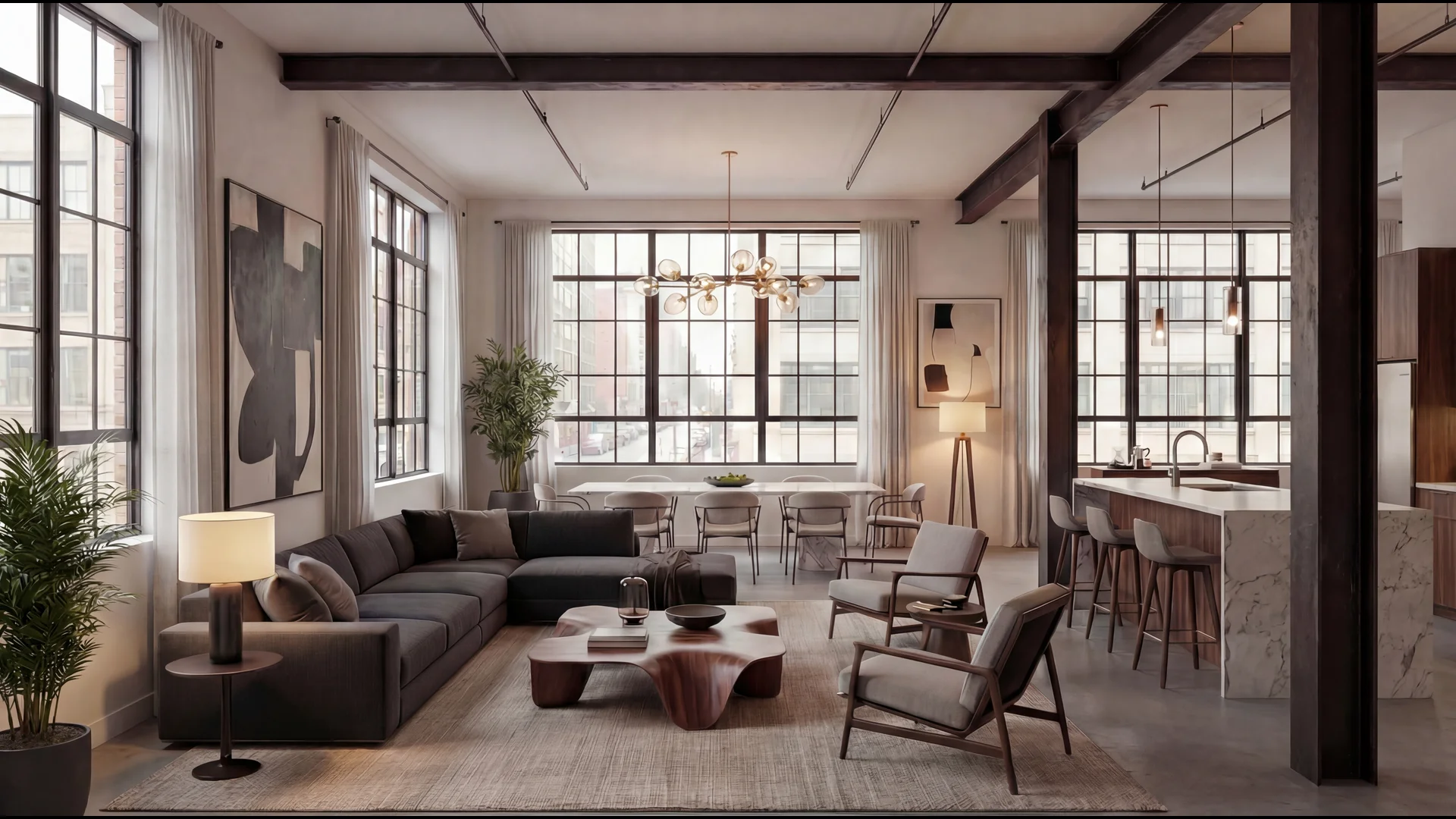
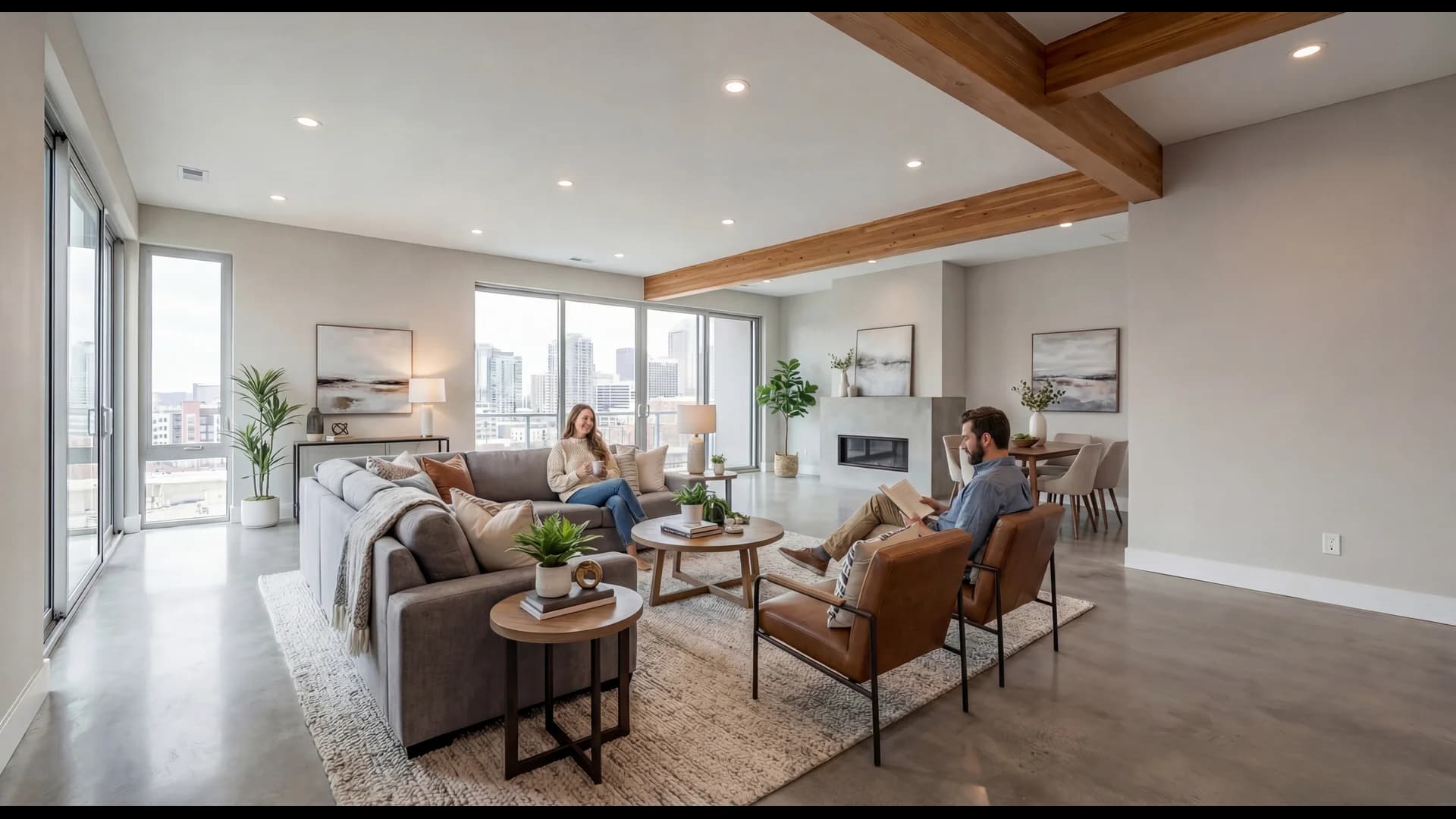
Living Room
Why it matters: The living room is typically the first interior photo buyers see. It sets the tone for the entire listing. An empty living room signals "cold" and "uninviting." A staged living room signals "home."
Staging approach:
- Include a sofa, coffee table, and area rug at minimum
- Add accent chairs if the space allows
- Include lifestyle touches: books, plants, throws
- Match furniture scale to room size—oversized furniture in small rooms looks cramped
Style tip: When in doubt, go Modern or Transitional. These styles photograph well and appeal to the broadest buyer demographic.
Primary Bedroom
Why it matters: The primary bedroom is where buyers imagine starting and ending each day. An empty bedroom with bare walls feels depressing, not restful.
Staging approach:
- Bed with headboard is essential (king or queen depending on room size)
- Nightstands on both sides
- Table lamps for warmth
- Minimal decor—keep it serene, not cluttered
Style tip: Keep bedding neutral (whites, creams, soft grays). Bold colored bedding dates quickly and limits appeal.
Kitchen
Why it matters: Kitchens sell houses. But here's the nuance: kitchens with high-end finishes often need minimal staging. Kitchens with dated cabinets or empty counters benefit more.
Staging approach:
- Light countertop styling: fruit bowl, cutting board, small plant
- Bar stools if there's a counter or island
- Don't over-stage—let the kitchen's features shine
Style tip: If the kitchen is dated, staging can't fix that. Focus on making it feel warm and functional rather than trying to distract from the cabinets.
Try StageChimp free to stage your Tier 1 rooms in under 30 seconds.
Tier 2: High-Impact Rooms (Stage When Budget Allows)
These rooms add significant value but can be skipped on tight budgets or fast timelines.
Dining Room
Why it matters: Formal dining rooms are becoming less common in new construction, which makes them a selling point in older homes. Staging shows buyers the room's purpose and potential for entertaining.
Staging approach:
- Dining table with 4-6 chairs (appropriate to room size)
- Simple centerpiece
- Optional: buffet or sideboard against the wall
When to skip: If the home has an open floor plan with a dining area visible from the living room, staging the living room may be sufficient.
Home Office
Why it matters: Remote work has made home offices a priority for buyers. A spare bedroom staged as an office can be more appealing than staging it as a fourth bedroom nobody needs.
Staging approach:
- Desk and ergonomic chair
- Bookshelf or shelving
- Task lamp
- Minimal decor to suggest productivity
When to prioritize: If your target demographic includes remote workers or professionals, move this to Tier 1.
Outdoor Living Spaces
Why it matters: Patios, decks, and covered porches are lifestyle spaces. Empty outdoor areas don't photograph well and fail to communicate the entertaining potential.
Staging approach:
- Outdoor seating arrangement
- Dining set if space allows
- Fire pit or accessories for ambiance
- Potted plants for color
When to prioritize: In warm climates or for homes with exceptional outdoor spaces, outdoor staging can be as important as interior rooms.
Tier 3: Situational Rooms (Stage Strategically)
Stage these rooms only when they're key selling features or when the property needs extra help.
Second/Third Bedrooms
When to stage: If the primary bedroom is small or if you want to show flexibility (guest room vs. office vs. nursery).
When to skip: If you've already staged the primary bedroom well and the additional bedrooms are standard sizes with no special features.
Staging approach: Keep it simple—bed, nightstand, lamp. Don't overspend on secondary bedrooms.
Bathrooms
When to stage: Luxury properties, master bathrooms with special features (soaking tubs, dual vanities), or bathrooms that photograph poorly when empty.
When to skip: Standard bathrooms that look fine with just towels and minimal accessories. Bathroom staging has lower ROI than main living spaces.
Staging approach: Towels, small plant, soap dispenser, minimal counter items. Less is more.
Basement/Bonus Rooms
When to stage: Finished basements that could serve as rec rooms, home theaters, or additional living space. Staging clarifies the purpose.
When to skip: Unfinished basements or storage areas. Don't try to make a storage basement look like a living space.
Tier 4: Skip These (Usually Not Worth It)
These spaces rarely benefit from virtual staging.
Laundry Rooms
Unless it's a luxury laundry room with custom cabinetry, skip it. Buyers expect laundry rooms to be functional, not styled.
Garages
Empty garages photograph fine. Staged garages look strange. The exception: if you're converting a garage to a workshop or gym, staging can show that potential.
Closets
Walk-in closets in luxury homes can be lightly styled, but standard closets don't need staging. Let buyers imagine their own belongings.
Hallways and Transition Spaces
Don't stage hallways. Focus your budget on destination rooms.
Room-by-Room Staging Tips
Quick reference for each room type:
Living Room
- Anchor with area rug
- Create conversation grouping
- Include lighting (floor lamp or table lamps)
- Add 3-5 accessories maximum
Primary Bedroom
- Center the bed on the main wall
- Use king bed in large rooms, queen in standard rooms
- Keep nightstands symmetrical
- Soft, neutral bedding
- Minimal wall art
Kitchen
- Clear counters except for 2-3 styled items
- Add bar stools to islands/peninsulas
- Fruit bowl or cutting board for warmth
- Don't stage appliances on counters
Dining Room
- Table should fit the room with walking space
- Even number of chairs (4, 6, or 8)
- Simple centerpiece—not too tall
- Optional area rug under table
Home Office
- L-shaped or standard desk
- Comfortable task chair
- Organized shelving
- Good lighting
- Plant for life
Outdoor Spaces
- Weather-appropriate furniture
- Defined seating area
- Fire feature if applicable
- Plants and greenery
Staging Strategy by Property Type
Different properties need different approaches.
Starter Homes ($200-400K)
Stage: Living room, primary bedroom
Maybe stage: Kitchen (if dated), one additional bedroom as office
Budget: 3-5 rooms maximum
Starter home buyers are often first-timers who need help visualizing. Focus on the essentials and keep styles approachable (Modern, Scandinavian).
Mid-Range Homes ($400K-800K)
Stage: Living room, primary bedroom, kitchen, dining room
Maybe stage: Home office, outdoor space, one secondary bedroom
Budget: 5-7 rooms
Mid-range buyers expect more polish. Include lifestyle elements that suggest comfortable living.
Luxury Properties ($800K+)
Stage: All main living areas, primary suite, kitchen, dining, office, outdoor spaces
Maybe stage: Secondary bedrooms, bathrooms, specialty rooms (wine cellar, media room)
Budget: 8-12+ rooms
Luxury buyers expect a complete vision. Stage comprehensively but maintain sophistication—don't over-furnish.
See our complete luxury staging guide
Vacant Investment Properties
Stage: Living room, primary bedroom
Budget: 2-3 rooms maximum
Investors want speed and efficiency. Minimal staging that shows livability is sufficient. More on selling vacant homes fast
Condos and Townhomes
Stage: Living area, primary bedroom
Maybe stage: Balcony/patio if present
Budget: 2-4 rooms
Smaller footprints mean fewer rooms to stage. Focus on making spaces feel larger, not cramped.
How Many Rooms Should You Stage?
Here's a simple framework:
Minimum (any listing): 2 rooms
- Living room + primary bedroom
Standard (most listings): 4-5 rooms
- Living room + primary bedroom + kitchen + dining room + one flex space
Comprehensive (luxury or slow-moving): 7+ rooms
- All main living spaces + bedrooms + outdoor + specialty rooms
The Math
With StageChimp's pricing at under $1 per image:
- 2 rooms = ~$2
- 5 rooms = ~$5
- 10 rooms = ~$10
At these price points, the question isn't "can I afford to stage more rooms?" It's "which rooms will have the most impact?"
The answer: Tier 1 always. Tier 2 when possible. Tier 3 selectively. Tier 4 rarely.
FAQ
Which room should I stage first?
The living room. It's the most viewed photo in any listing and sets buyer expectations for the entire property. 46% of buyers say it's the most important room to see staged.
How many rooms do I need to virtually stage?
Minimum 2 (living room and primary bedroom). Standard is 4-5 rooms. Luxury properties may need 8-12+. Stage Tier 1 rooms always, then add Tier 2 based on budget.
Should I stage the kitchen?
Yes, but lightly. Kitchens with high-end finishes need minimal styling. Dated kitchens benefit from warm touches that make them feel functional and inviting.
Is staging the bathroom worth it?
Usually not, unless it's a luxury master bathroom or has special features. Standard bathrooms have lower staging ROI than living spaces.
Should I stage every bedroom?
No. Stage the primary bedroom always. Stage secondary bedrooms only if you need to show flexibility (office vs. guest room) or if the listing needs extra help.
What about outdoor spaces?
Stage outdoor spaces if they're a selling feature—especially in warm climates or for homes with patios, decks, or pools. Empty outdoor areas don't photograph well.
Does room staging order matter for photos?
Yes. Lead with your best staged photo (usually the living room). Follow with primary bedroom, then kitchen, then supporting rooms. Your first photo determines whether buyers click.
The Bottom Line
Not every room deserves equal staging attention.
Focus your budget on the rooms that matter: living room, primary bedroom, and kitchen. Add dining room, home office, and outdoor spaces when budget allows. Skip laundry rooms, garages, and hallways.
The data is clear. The strategy is simple. The tools are affordable.
Ready to stage your next listing?
Try StageChimp free with 5 images per month. Stage your Tier 1 rooms in under 30 seconds and see the difference.
Related Reading
- The Complete Guide to Virtual Staging for Real Estate in 2026
- 27 Home Staging Statistics Every Real Estate Agent Needs to Know
- How to Virtually Stage a Listing Photo in Under 10 Minutes
- Virtual Staging vs Physical Staging: Which Is Right for Your Listing?
- The ROI of Virtual Staging: Data-Driven Insights
- 7 Best Virtual Staging Software Tools for Real Estate in 2026
Sources: National Association of Realtors, 2025 Profile of Home Staging; Real Estate Staging Association (RESA), 2024 Statistics
Ready to transform your listings?
Start staging your photos in seconds with AI-powered virtual staging.
Try StageChimp Free