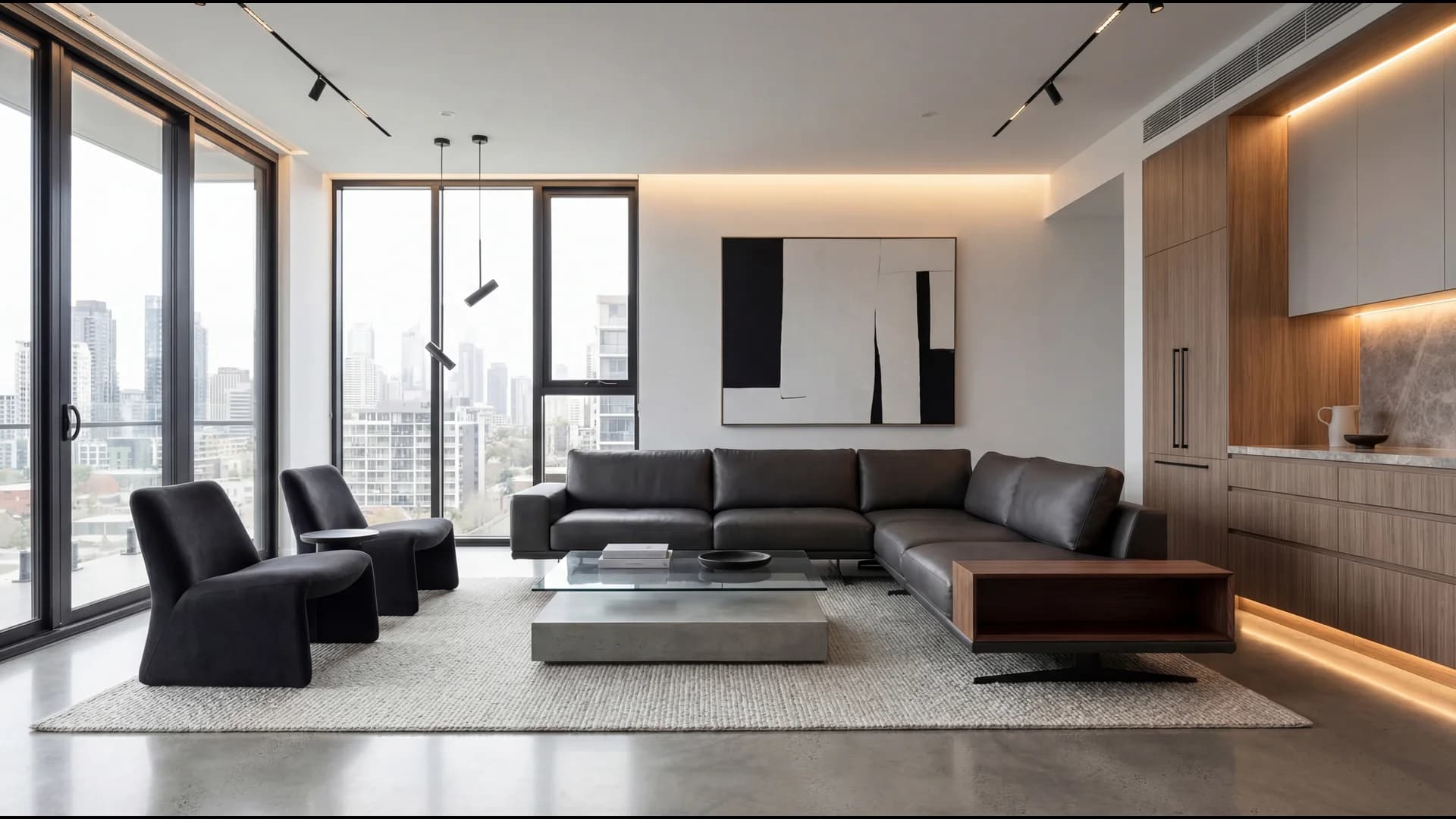
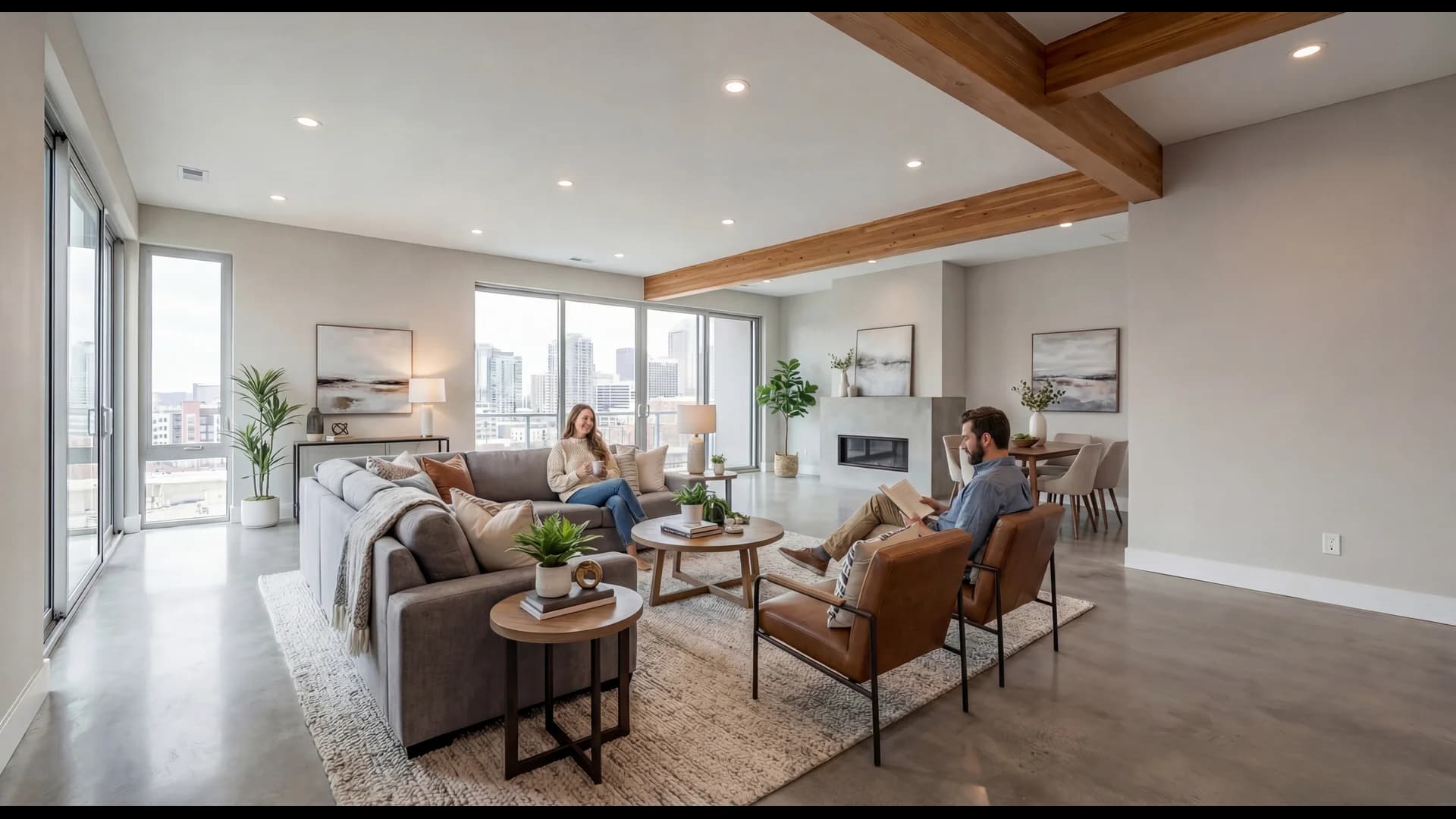
Virtual Staging vs Physical Staging: Which Is Right for Your Listing in 2026?
Rafi Baig
January 5, 2026 · 11 min read
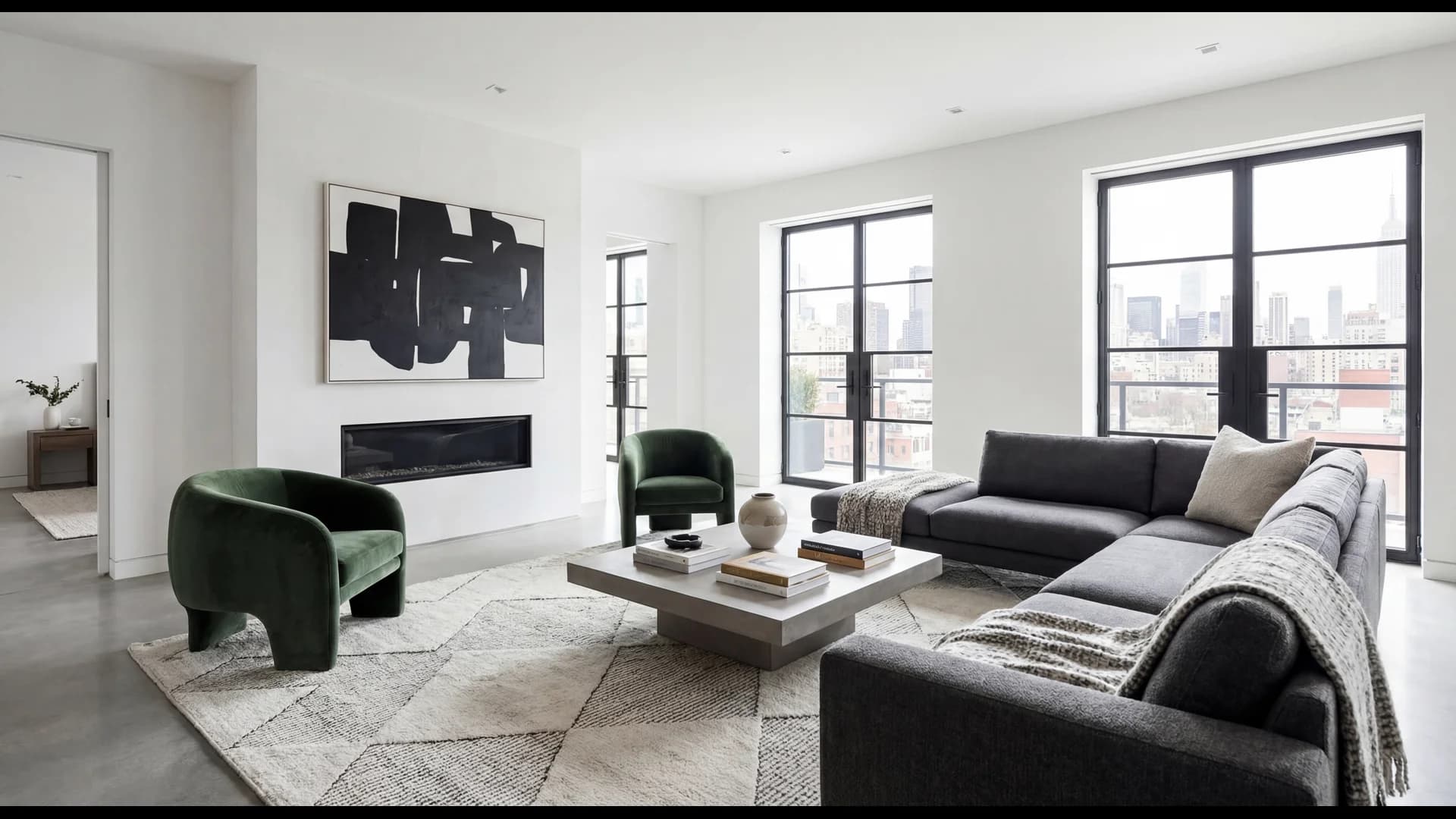
Virtual staging uses AI software to digitally add furniture to listing photos, while physical staging involves renting and placing real furniture in the property. Both methods help buyers visualize how a space can be used, but they differ dramatically in cost, time, and execution. According to the National Association of Realtors' 2025 Profile of Home Staging, 83% of buyers' agents say staging helps clients visualize properties as future homes—making the staging decision one of the most impactful choices agents make when marketing a listing.
This guide breaks down every factor you need to consider when choosing between virtual and physical staging, with real numbers and clear recommendations for different scenarios.
The Core Difference: Digital vs. Physical
Before diving into comparisons, let's establish exactly what each method involves.
Virtual staging starts with photographs of empty rooms. AI-powered software (or human designers) digitally add furniture, decor, rugs, artwork, and accessories to create photorealistic images that show the space fully furnished. The actual property remains empty—the staging exists only in the photos.
Physical staging involves a staging company delivering real furniture to the property. Movers bring in sofas, beds, tables, lamps, and decor items. The home is physically transformed, allowing buyers to experience the staging during in-person showings.
Both approaches achieve the same goal: helping buyers emotionally connect with a property by demonstrating how spaces can function. The difference lies entirely in how that visualization is delivered.
Cost Comparison: The Numbers Don't Lie
Cost is often the deciding factor for agents and sellers, and the difference between virtual and physical staging is substantial.
Virtual Staging Costs
AI-powered virtual staging platforms charge $5-50 per image depending on the platform and quality level. For a typical listing requiring 5-7 staged photos, total cost ranges from $25-350. Premium services using human designers charge $50-150 per image, bringing whole-home staging to $250-1,000.
There are no ongoing fees. Once you pay for the staged images, you own them. No rental periods, no monthly charges, no removal fees.
Physical Staging Costs
Physical staging operates on a fundamentally different cost structure. Initial staging fees run $500-800 per room for furniture rental and placement. A typical three-bedroom home with living room, dining room, and primary bedroom staged costs $1,500-2,400 upfront.
But that's just the beginning. Physical staging companies charge monthly rental fees of $500-800 for the duration the furniture remains in the property. If a home takes 60 days to sell, add another $1,000-1,600 in rental fees.
Finally, there's the removal fee: $200-400 to have the furniture picked up after closing.
Total Cost Comparison
For a typical listing that sells in 45 days:
Virtual staging total: $100-350 (one-time cost)
Physical staging total: $2,500-4,500 (setup + 2 months rental + removal)
According to research from The Zebra, virtual staging reduces staging costs by up to 97% compared to physical staging. For agents handling multiple listings or working with budget-conscious sellers, this cost difference is transformative.
Time Comparison: Speed to Market
In competitive markets, the speed at which you can get a listing live directly impacts results. Time-to-market differs dramatically between staging methods.
Virtual Staging Timeline
Modern AI virtual staging delivers results in under 30 seconds. Upload a photo, select a style, and receive a staged image almost instantly. Even premium services using human designers complete work within 24-48 hours.
There's no scheduling required. No waiting for furniture availability. No coordinating delivery windows with property access. You can stage a listing at 11 PM on a Sunday if that's when you're preparing your marketing materials.
Changes are equally fast. Don't like the modern furniture? Generate a traditional version in another 30 seconds. Want to show a room as both a bedroom and a home office? Create both versions in under a minute.
Physical Staging Timeline
Physical staging requires significant coordination. First, you schedule a consultation with the staging company (1-3 days out). They assess the property and develop a staging plan (1-2 days). Then you wait for furniture availability and schedule delivery (3-7 days).
On staging day, movers spend 4-8 hours setting up furniture. If anything doesn't look right, adjustments require scheduling another visit.
Total timeline from decision to staged property: 5-14 days.
When the home sells, you coordinate furniture removal around the closing timeline—another scheduling challenge that can complicate transactions.
The Speed Advantage in Practice
Consider this scenario: You sign a listing agreement on Monday and want to go live on MLS by Wednesday to catch weekend buyer activity.
With virtual staging, you photograph the empty home Tuesday morning, stage the photos Tuesday afternoon, and upload to MLS Tuesday evening. Done.
With physical staging, you're not going live until the following week at the earliest—missing an entire weekend of peak buyer activity.
In hot markets where the first weekend generates the strongest offers, virtual staging's speed advantage translates directly to better outcomes.
Quality Comparison: How Do They Look?
Quality concerns have historically been the main objection to virtual staging. Early virtual staging often looked obviously fake—furniture that seemed to float above floors, lighting that didn't match, proportions that felt wrong.
How Virtual Staging Quality Has Evolved
AI-powered virtual staging in 2026 produces results that are often indistinguishable from photographs of physically staged homes. Modern algorithms analyze room lighting, architecture, and perspective to place furniture that looks genuinely present in the space.
The technology has improved so dramatically that the real quality variable is now the source photo, not the staging itself. A well-lit, properly composed photo of an empty room will produce excellent virtual staging. A dark, tilted phone snapshot will produce mediocre results regardless of the staging platform.
High-quality virtual staging includes accurate shadows matching the room's light sources, furniture scaled appropriately to room dimensions, realistic textures that match photo resolution, proper perspective alignment with the room's angles, and cohesive design aesthetic throughout the space.
Physical Staging Quality Factors
Physical staging quality depends entirely on the staging company you hire. Premium stagers use designer furniture, high-end accessories, and experienced design teams. Budget stagers may use worn furniture, dated styles, and rushed installations.
The best physical staging creates magazine-worthy spaces that photograph beautifully and impress during in-person showings. Mediocre physical staging can actually hurt a listing—cheap furniture and poor design choices make properties feel less valuable, not more.
Physical staging also faces practical challenges: furniture gets damaged during transport, fabrics stain from showings, and pieces may not be available when you need them. Virtual staging maintains perfect consistency—every listing looks exactly as designed.
The Verdict on Quality
For online marketing—where 95% of buyers first encounter listings—high-quality virtual staging matches or exceeds average physical staging in visual impact. Buyers scrolling through listings respond to beautifully staged photos regardless of whether the staging is physical or digital.
Physical staging's quality advantage emerges during in-person showings, where the three-dimensional experience creates emotional impact that photos cannot replicate. For luxury properties where buyers expect premium presentation at showings, physical staging may justify its higher cost.
Effectiveness: Do They Actually Work?
Both staging methods serve the same purpose: helping buyers visualize properties. But do they achieve that goal equally well?
What the Data Shows
The National Association of Realtors' 2025 Profile of Home Staging found that 29% of agents reported staged homes received offers 1-10% higher than comparable unstaged properties. Additionally, 49% of sellers' agents said staging reduced time on market.
These statistics include both physical and virtual staging, and research hasn't shown significant differences in effectiveness between the methods. Buyers respond to the visualization—they don't distinguish between physical and virtual staging when viewing listing photos online.
The Real Estate Staging Association reports that staged homes sell 73% faster than unstaged properties. Again, the key factor is staging versus no staging, not the method used.
Where Each Method Excels
Virtual staging is most effective when:
- The listing will be marketed primarily through online channels
- Buyers will likely narrow choices online before scheduling showings
- The property is vacant and empty photos would hurt buyer perception
- Budget constraints require maximizing ROI on marketing spend
- Fast turnaround is needed to capture market timing
Physical staging is most effective when:
- Open houses will be a primary marketing strategy
- The property targets luxury buyers who expect premium experiences
- The local market has strong preferences for physical staging
- Video marketing and virtual tours are central to the strategy
- The seller has budget for optimal presentation at every touchpoint
The Hybrid Approach
Many top-producing agents use both methods strategically. Virtual staging gets the listing live immediately with compelling photos. If the property doesn't generate expected interest in the first two weeks, physical staging is added to enhance showing experiences.
This approach captures the speed and cost benefits of virtual staging while preserving the option to escalate presentation quality if needed.
Practical Considerations
Beyond cost, time, and quality, several practical factors influence the staging decision.
Property Access and Logistics
Virtual staging requires only photographs—no property access needed after the photo shoot. This simplifies logistics for occupied properties where scheduling around tenant or owner availability is challenging.
Physical staging requires multiple property visits: consultation, delivery, potential adjustments, and removal. Each visit must be coordinated with property access, which can create complications with occupied listings or properties with limited availability windows.
Flexibility and Revisions
Virtual staging offers unlimited flexibility. Don't like the furniture style? Generate a new version. Want to show multiple design options? Create variations for different buyer demographics. Need to update staging after feedback? Changes take minutes, not days.
Physical staging changes require scheduling movers, coordinating furniture swaps, and often incur additional fees. Once physical staging is installed, you're largely committed to that design.
MLS and Disclosure Requirements
Both staging methods require disclosure on most MLS platforms, but requirements differ. Virtual staging typically requires photo captions noting "Virtually Staged" or similar language. Physical staging generally requires no specific disclosure since the property is photographed as-is.
Both methods prohibit misrepresentation. Virtual staging cannot hide defects or alter the actual property. Physical staging cannot obscure damage or misrepresent the property's condition.
Decision Framework: Which Should You Choose?
Use this framework to determine the right approach for any listing:
Choose Virtual Staging When:
The property is vacant. Empty room photos hurt buyer perception and reduce showing requests. Virtual staging solves this problem instantly and affordably.
Budget is limited. Sellers who can't afford $3,000+ for physical staging can still benefit from staging's advantages with $100-300 virtual staging investment.
Speed matters. Listings that need to go live immediately benefit from virtual staging's 30-second turnaround.
Online marketing is primary. When most buyers will discover and evaluate the listing online, virtual staging delivers full impact at fraction of physical staging cost.
You're testing the market. Virtual staging lets you go live quickly to gauge market response before investing in more expensive staging options.
Choose Physical Staging When:
The listing is ultra-luxury. Buyers at top price points expect premium presentation at every touchpoint, including in-person showings.
Open houses are key to your strategy. If you're planning significant open house marketing, physical staging enhances that experience.
The property is occupied and livable. Occupied homes with acceptable furniture may benefit more from staging consultations that work with existing furnishings.
Video tours are central. While virtual staging works for photos, video content requires physical staging or complex video editing.
The seller insists. Some sellers have strong preferences. If a seller wants physical staging and has the budget, their satisfaction matters.
Consider Both When:
Marketing luxury properties. Virtual staging for immediate online presence, physical staging for showing appointments.
Testing then escalating. Start with virtual staging, add physical staging if results don't meet expectations.
Different room strategies. Virtually stage secondary bedrooms, physically stage primary living areas.
The Bottom Line
Virtual staging and physical staging both effectively help buyers visualize properties. The choice comes down to priorities:
Choose virtual staging for speed, cost efficiency, flexibility, and effective online marketing. It's the right choice for the majority of residential listings in 2026.
Choose physical staging for luxury properties, open house strategies, and situations where in-person showing experience justifies the investment.
For most agents handling typical residential listings, virtual staging delivers staging benefits at a fraction of the cost and time investment. The 97% cost savings and instant turnaround make it the practical choice for everyday listings.
The agents winning in today's market aren't choosing one method exclusively—they're using each strategically based on listing requirements, seller budgets, and marketing goals.
Looking for AI-powered virtual staging that delivers in under 30 seconds? StageChimp offers photorealistic staging at a fraction of traditional costs. Try your first staging free →
Sources:
- National Association of Realtors, 2025 Profile of Home Staging
- Real Estate Staging Association (RESA), 2024 Research
- The Zebra, Home Staging Statistics 2025
Last updated: January 2026
Ready to transform your listings?
Start staging your photos in seconds with AI-powered virtual staging.
Try StageChimp Free